Pages

Friday, April 26, 2019

Making Investments by Carolyn


I'm really, really bad at making monetary investments. If it is possible to waste money in some way, I have probably done it (multiple times). I am trying, however, to be better at making investments in people than I am in financial matters. I haven't always done so. Sadly, I have had many good friends I have not maintained my investment in after time and distance separated us. I could certainly say the same for some of my relatives. It is so easy to lose touch, to neglect to reach out. I truly regret not investing more in so many of my relationships. I have been poorer for the loss of my connections  with those friends and kinfolk.

There are, however, some ways I am tending to my investments. Last fall, my younger son decided to be the one to shoulder the cost for us to attend an Aggie football game. I jokingly told him that I was glad to see that my investment (of taking him to some many Aggie games) was paying off. I'm not sure if he was offended at being considered an investment, but he certainly was surprised. As I thought about it, however, I realized our children are perhaps our largest investments. We invest time and effort and money and our hearts and souls in our children. We care for them when we are exhausted, we give up sleep for them, we surrender our last bite of our slice of cake for them, we go without items or trips or luxuries we may want because their needs come first. We do all this not only because we love them, but because we are invested in our relationship with them. We know that the bond between us is forged each exhausting day and every sleep-deprived night through the years we rear them. Beyond that, we are investing our principles and beliefs and ethics in them so that they can become moral and productive people - for their own benefit and the benefit of the world. 

I am currently investing deeply in my grandchildren. I hunker down, giggling quietly,  in the bushes in my backyard with my 4-year-old grandson so the imaginary T-Rex does not find us. I spend hours (it seems) picking up sticks in my yard so we can build an imaginary bonfire. I push him ("faster, CC, faster!") in the hammock when I really want to be reclining in it myself. I let him sleep in my bed when we have a sleepover so he can feel safe and secure, even though he kicks and wiggles. I do all of those things and more as investments in our lifelong relationship. I will very soon be doing similar things with my one-year-old granddaughter so that we can build a bone-deep bond as well. My father, who will be turning 84 in September, was not willing (or maybe did not know how) to invest in his grandchildren. He is now paying the price of that in his cordial, but shallow relationships with his grown-up grandsons. The investment should have been made long ago. I find that very sad. It is a loss for all of them.

Not all of my investments are with family members. I put 36 years of my heart and soul (not to mention my blood, sweat, and tears) into public school education before I retired two years ago. What a joy to be able to invest my time and efforts and care in such a vital way! Fortunately, I haven't had to completely forsake what has been so important to me. I have the privilege now to supervise student teachers, to be one of the many who have invested in their future as educators. My current "crop" of student teachers are just finishing up their semester and will be graduating soon, ready to become "real" teachers. I am beyond proud of them for the growth I have seen in them. I am so thankful for their decision to dedicate themselves to a profession which is hugely demanding of time and energy and passion, but pays low dividends of status and monetary reward. By investing in these teacher candidates, I feel that I am investing in the future of all of us. 

Are you investing wisely?


Tuesday, April 16, 2019

In My Tracks by Andrea


The surprises of spring 
stopping me in my tracks
overwhelming my senses 

Dazzling smells of spring
sweet and soft,
hanging in the air
right in front of me
surrounding me

Hearing the whisper of the fluttering wings 
a black and yellow butterfly-
a tiger swallowtail,
gliding across my path

Running alongside me
bumping over little falls, the creek
murmuring messages, passing over ancient rocks

All of it 
making me wonder 
how many other things am I missing
chasing things I cannot see
running past the majestic in front of me


Slowing my feet 
Widening my eyes-
Inhaling deeply, again and again,
Listening
Willing the words to come 
Fearing if not named 
It will be lost


-Andrea


Tuesday, April 2, 2019

The Myth of Scarcity

By: Susan

Fossil fuels are considered a non-renewable natural resource.  They will some day run out.  My overconsumption does impact other's ability to access those resources. Same is true of gold, silver and titanium.  But there are two very precious resources for human survival that are not scarce.  In fact, the more we use them, the richer they grow and there is more of them to go around: Love and knowledge.

I have been teaching for 14 years now and I am pretty sure that if one of my students masters the content of my science class, it does not diminish what is left for the others to learn.  Any field of knowledge is enriched as more and more people access it, use it and then are able to contribute to it by their insights and experiences. Our current grading system creates the myth that knowledge is scarce and if you have it, then I can't have some or all of it. So children compete for grades instead of for knowledge and understanding and define themselves by these arbitrary measures of their achievement instead of by their contributions to society.
Photo Credit: Paulette Rodriguez

We don't have to be stingy with love either. We will definitely not run out if we use more and more of it.  I am particularly concerned about withholding love and compassion from children, out of fear that they will be "spoiled". When I was starting out as a mother, I read somewhere that you only spoil children when you do something for them that they can do for themselves. A child that is anxious, scared or confused does not have the skills to deal with these unknown emotions.  Showing love and compassion will not spoil him.  A child that does not know how to speak and act respectfully, does not learn that from an angry and indignant adult. "The path to guidance is one of love and compassion, not of force and coercion," says the Báb, the nineteenth century Iranian Prophet. Seeking to understand, is not letting the child "get away" with anything. Showing empathy does not mean we don't hold the child accountable for his actions and require him to make amends. Children are spoiled when they are allowed to get away with not taking responsibility for their actions, for abdicating their self-control, for thinking that they are the center of the universe. As parents, we can contribute to the spoiling when we make excuses for our children in the name of advocating for them. 

Children who have known love, will grow into adults that show love.  And the cycle continues. The only way we will ever run out of love is if we stop loving. Hoarding love, spoils love. 


x

Monday, March 25, 2019

No Caged Bird Here

Captured
Trapped
A cage of my own doing
Unintentional but consistent
Locking the door behind me
After climbing into the enclosure day in and day out
Holding on to the key so tight
The key to let myself be free
I do it to myself
Believing all the negative thrown my way
Nails securing the cage door shut
Too short
Too old
Too fat
Too much of all that is bad
And not enough pieces of things that are good
But not enough for who?  
For them?
Who says?
Stop believing the lies
Stop being your own warden
You hold the key
The key to be free
To embrace the You and to be fine with the Me
Step out of the cage of your own self-doubt
Throw away the key
Swallow it if you have to

Then exhale and release.

Monday, March 18, 2019

Probletunities by Carolyn

The school district I used to work for had a special word for difficulties: probletunities. This was intended to give the idea that problems were opportunities for growth or improvement.

To me, the term probletunities seems so very glib, so shmaltzy, as if we should be glad of the barriers or struggles or failures we encounter in our jobs or our relationships or just in our daily lives; that they should be celebrated as chances to grow and improve. "Yippee!" we might say, "I burnt the roast for tonight's dinner and our guests will be here in twenty minutes. Now I have a chance to improve myself by solving this problem!" Or "Hooray! I hit the accelerator instead of the brake and ran into this brick wall. I'm so glad I now have the opportunity to grow as I have the car towed and struggle to find the money for repairs. I know this will ultimately make me a better person." Not likely for most of us.

I dislike the term probletunities, but I do applaud the sentiment. Although it seems counter-intuitive, it is true that we learn more from mistakes or struggles than from successes.

As a parent, grandparent, and educator, I have observed this to be true, yet it is still difficult to allow those we care about to go through difficulties. Not only do we not want to engage in struggles or experience failures ourselves, but we don't want our loved ones to, either.  One of the characteristics almost all parents have in common is that they want the best for their children. We want them to have happy, healthy lives, so we do our best to smooth out the rough spots for them. By not allowing them to experience the common struggles in life and working toward solutions, we may be setting them up to be less responsible, less diligent, less appreciative.

Most of the teachers I have known (and that is a lot!) are, by nature, "helpers". They have a deep desire to nurture and help people, particularly children. Unfortunately, this can lead to being too helpful. It is very common for students to complain about a task being too hard. Our first instinct is to swoop in and help. Rather, we should allow a little reasonable struggle, providing just enough support. This builds persistence, confidence, willingness to try new things. If we are never given the opportunity to try things that are just a little harder than what we have already mastered, how will we ever grow and learn? Everything we ever accomplish as human beings comes about because we have tried something just a little bit harder than what we did before or we have experienced some sort of problem that has forced us to come up with a better way of doing things.

I have seen an increase in what I label "learned helplessness" in children, both in classrooms and with their parents. While I don't think we should go out of our way to make things difficult for children, I do think it is easy to overdo the rescuing we are inclined to do. In my previous life as an assistant principal, I dealt with many parents who were determined not to allow their children to undergo any type of negative consequences for misbehavior. I often told them that it was better to allow children to experience (and survive) small punishments for small infractions when they were young (and, hopefully, learn the concept of cause and effect from it) than to experience those same lessons when they were older, their mistakes were larger, and the punishments more severe.

So, while I don't really like the term probletunities, I do embrace the idea that we learn best by experiencing and overcoming trials and by stretching ourselves to reach just a little bit farther than we were able to yesterday.

Monday, March 11, 2019

An Intersection of Honor... by Andrea


“Life really does begin at forty. Up until then, you’re just doing research.”
- Carl Jung

     I read a blog post written by a woman who was feeling discouraged because at the age of forty-plus she felt as though she was just beginning her journey toward the life she had imagined herself living in her twenties and thirties.  She saw herself as a late-starter.  Commenters were offering their own stories of "feeling behind" in life.  I remembered reading a magazine article a few years ago about many well-known men and women who had their big breaks well into their adulthood, many in midlife and beyond.  The writer of the post was a black woman writing for black women. The commenters, too, were mostly women of color.  As I thought about some of my friends and acquaintances who have expressed similar sentiments, I wondered if this is a thing among black womem. So I decided to compile my own (wo)manifest of inspiring examples of women blooming at just the right time.

     In honor of Black History and Women’s History months, here are ten well-known, well-respected African-American women who prove the quote above to be true. Though we can and should look to these women for encouragement and fuel for the pursuit of our own victory stories, we must also look to the women in our everyday lives who can inspire us to use our gifts, talents and passions.
Maya Angelou​, at ​age 41 years old​, published her seminal memoir ​I Know Why the Caged Bird Sings.​ Who can say that Maya Angelou is best known for any one genre of writing. After Caged Bird,​ she went on to write seven more volumes of her life story, volumes of poetry, screenplays, plays, essays, cookbooks, children’s book, speeches and so much more. Before her prolific writing career, Ms. Angelou had been a streetcar driver, singer, dancer, Civil Rights activist, spoken-word artist, and teacher among other careers that shaped her life, her storytelling and her writing. She was an all-around Renaissance woman, if that’s a thing. 

Toni Morrison​, age 39, published her first novel ​The Bluest Eye, ​yet it was not until she was ​46 years old​ that she published her third novel and first well-known work of fiction,​ Song of Solomon.​ Ms. Morrison went on to be named a winner of the Nobel Prize and the Pulitzer Prize for Beloved,​ probably her best known book. She has authored books for children, the text of an opera known as the libretto, essays and other works of nonfiction. She is a teacher, editor and outspoken advocate for feminine, racial and social justice especially in regard to literary freedoms to tell one's stories.

Amy Sherald​, ​i​n 2016, ​at the age of 43​, was the first woman to win the Outwin Boochever Portrait Competition grand prize. ​ ​Before this she was a working artist yet virtually unknown. She now has works on display at the National Museum of Women in Arts. Being named as the painter for the official portrait of Michelle Obama further propelled this talented artist who seeks to “paint the paintings I want to see in museums” into the public eye. Her painting of the first African-American FLOTUS hangs in the National Portrait Gallery and has garnered over a million visitors in person, and millions more through the internet- a record number of attendees for the museum. I would say, Ms. Sherald has arrived. I cannot wait to see where she will go next!

Viola Davis​ was set up for success with training at Juilliard and a career on stage and in a few little known screen productions. It was not until her co-starring role in the movie ​Doubt ​with Meryl Streep, ​at 43 years old​, that Viola’s career took off. The critically-acclaimed, award winning, South Carolina-born actress (you knew I had to get that in there) was the first African-American actress to win a Tony, an Emmy and an Oscar. She stars in the television drama, How to Get Away with Murder, and is an activist for the honor, respect and rights of all women.


Sharon Jones​, soul singer and the Queen of Funk, did not have her big break- after having given up on the possibilities of having a career in music- until 1996, at the tender ​age of 40 years old​. She is sometimes referred to as the female James Brown because of her soulful sound and amazing stage presence and dance moves. The longtime South Carolina resident died in 2016 at the age of 60. I am so grateful she lived out her dream of being a professional entertainer for almost 20 years and that we have soul-filling music and a Netflix documentary through which to get to know and to remember her.

Maxine Waters​, though she has been an agent of change probably from the day she was born, was first elected to Congress at ​the age of 56​. She has given rise to a generation of fans who she is motivating to reclaim their time and make the most of every minute. Even folks who may not agree with her politically have to admit her passion and dedication at 75+ years old are timeless and worthy of imitation, for young, old and everybody in between.

Shirley Chisholm​ became the United States first African American congresswoman in 1968 at ​forty-four years old​. Chisholm is quoted as saying during her political campaigns for Congress and for the 1972 Democratic Convention nomination for the presidency that she received “more discrimination as a woman than for being black. Men will be men.” She staffed her political offices with all women, half of them being black. She qould be proud of the represntation of women on the House and Senate floors today. She was a pacesetter and a pioneer in every sense of the words.

Ernestine Shepherd​, octogenarian American bodybuilder and personal trainer, did not begin her age-defying health and physical pursuits until she was ​56 years old ​with the onset of illness and untimely death of her sister. Mrs. Shepherd made her sister a promise that she'd get in shape. She went a little farther than that. In 2010, at 75, she was named the oldest female competitive bodybuilder by the Guinness Book of World Records. She runs 10 miles every day and teaches fitness classes for the elderly. She proves it might not be too late for me in the fitness department!  

Cicely Tyson​ was cast in The Heart Is a Lonely Hunter in 1968, ​at age 44 years old​. Six years later, she became the first African American actress to win an Emmy Award for Outstanding Lead Actress in a television movie, ​The Autobiography of Miss Jane Pittman. ​At age 93, she is still enjoying appearances on red carpets and continues to inspire us toward aging with grace and style.

Dr. Carla Hayden​ was ​64 years old​ when she was nominated by President Obama and sworn in as the first woman and first African American and the 14th Librarian of Congress in September 2016.

Apparently, age ain't really nothing but number. As my grandmother used to say, you're only as old as you feel. It looks to me these women might be feeling like they are at the start of something new. 

Andrea


Thursday, January 3, 2019

2018 Reading List - Gifts of Empathy

by: Susan 
I started the school year with my fourth graders reading Fish in a Tree by Lynda Mullaly Hunt.  It is a story about learning differences and the impact of a caring and seeing adult. My choice was initially  driven by a desire to motivate my students that were not learning traditionally or that held negative mindset about their own school experience. One day I asked one of my students, who has not yet experienced a day in his school life when learning did not come easy to him, if he had ever felt like Ally the protagonist.  He thought for a moment and said no. But now he does.  


Books are magic that way. They not only let you walk in someone else's shoes, they allow you to get in someone else's head and live their lives along with them. And we all need to learn more about each other.  

Here are some titles from my 2018 reading list that can help build empathy, not just in kids but in all of us, especially those of us who are teachers or parents:

1.  Ghost by Jason Reynolds - A story about a boy who literally runs from everything, having had to escape with his mother when his abusive father tries to kill them.  Although a novel written for upper elementary and middle school readers, I am recommending it more to the adults that work with kids that may be going through similar life circumstances, to understand them and see the world through their eyes.

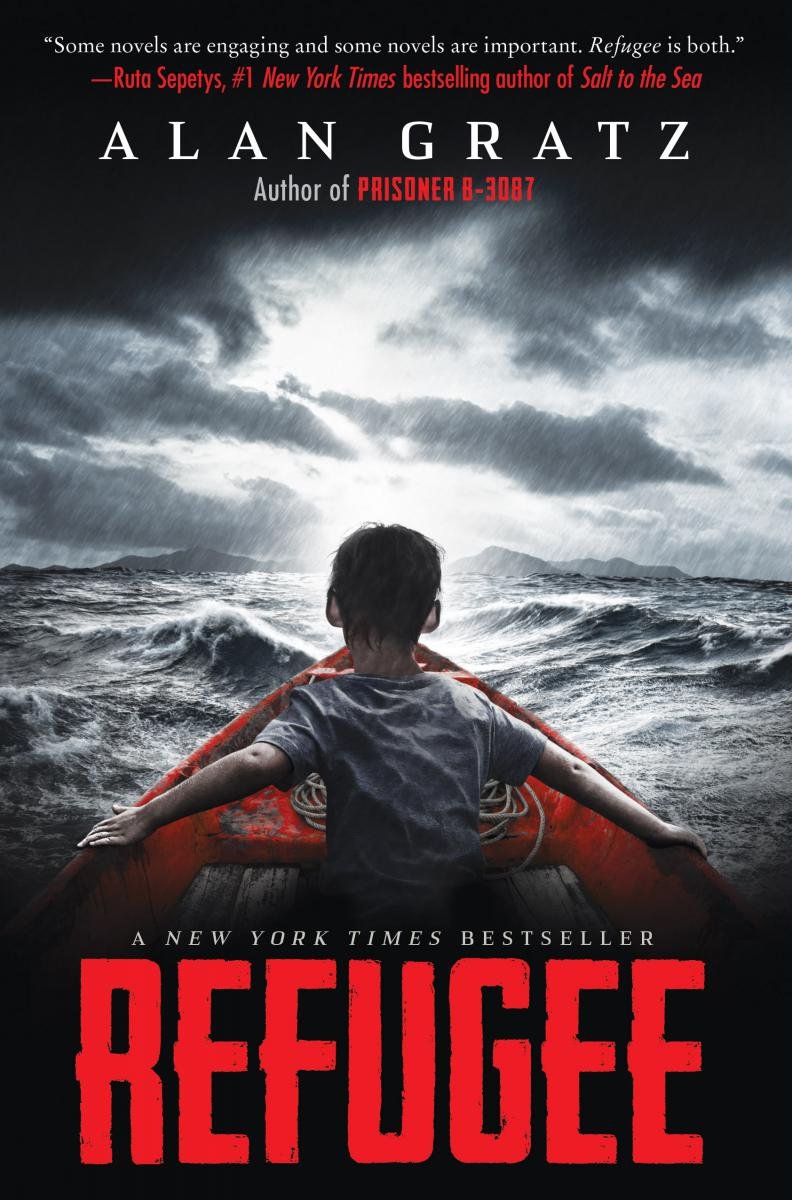
2.  Refugee by Alan Gratz - Another book written for a younger audience but eye opening for anyone who wonders why people leave their homes under harrowing and unwelcome conditions.  This is the story of three refugee families, from three different parts of the world and living during three different time periods. Written simply but realistically it is a timely book for all of us.

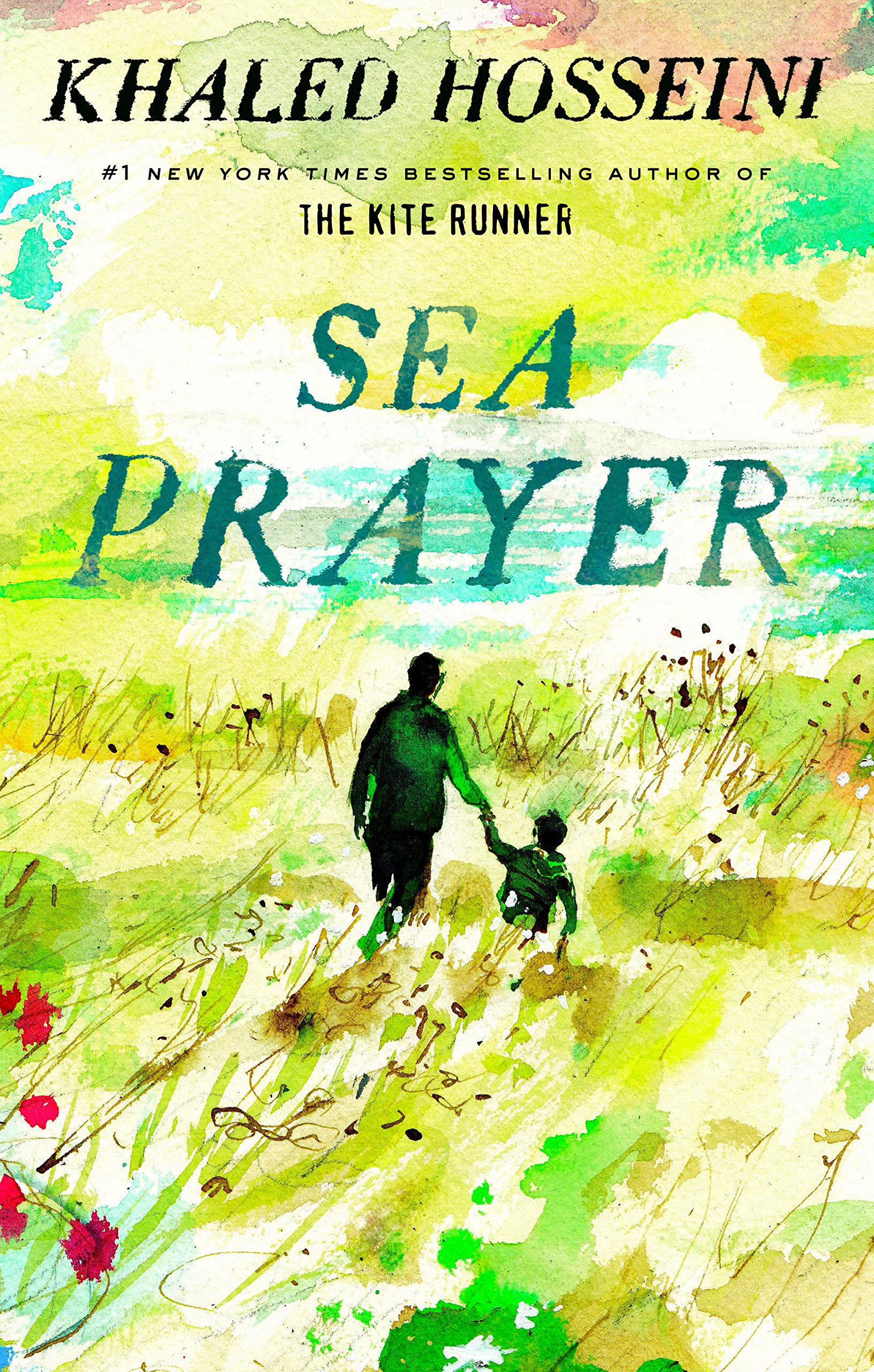
3.  Sea Prayer by Khaled Hosseini is not a novel but a small poetic picture book answering the same question: How can a parent risk the life of his children in order to find peace and safety?

4.  Unsheltered by Barbara Kingsolver - "A mother can only be as happy as her unhappiest child.“ Isn't that the truth?  You'd agree if you were a mother. Do you want to know what's it like to parent adult children? Do you wonder what it feels like to live during times of world upheavals, when new ideas are challenging the old? Do you want to travel in time, back and forth between the present and the past and wonder about how far we have come and how we continue to struggle with the same human weaknesses?  Barbara Kingsolver never fails to take me on a long and rewarding journey. 

5.  Fruit of the Drunken Tree by Ingrid Rojas Contreras - another book with multiple narrators and hence multiple perspectives that can expand your mind, your soul and your heart.  The upstairs/downstairs dynamics of class, the dichotomy of right and left wing politics, and the hard to define boundaries of family loyalty - all themes in this book, given to me as a gift.  


and a bonus:  Good Dog, Stay by Anna Quindlan - I read this very short book by one of my favorite authors in the time it took me to get from home to my summer class on the commuter train.  And I am not embarrassed to admit that I cried in public over a book about a family saying good bye to their beloved dog. I have never owned a dog.  But Quindlan made me want to get one. Of course, it is more about the lessons one learns about being a better human when owning and caring for an animal that touch the heart.


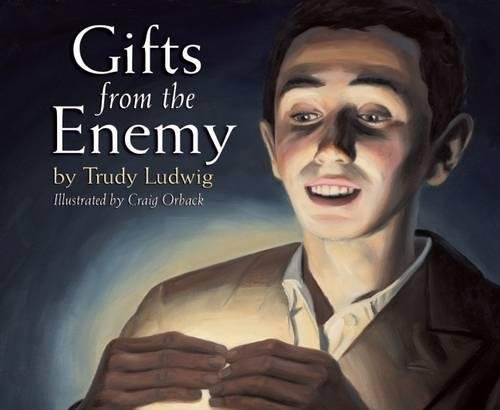
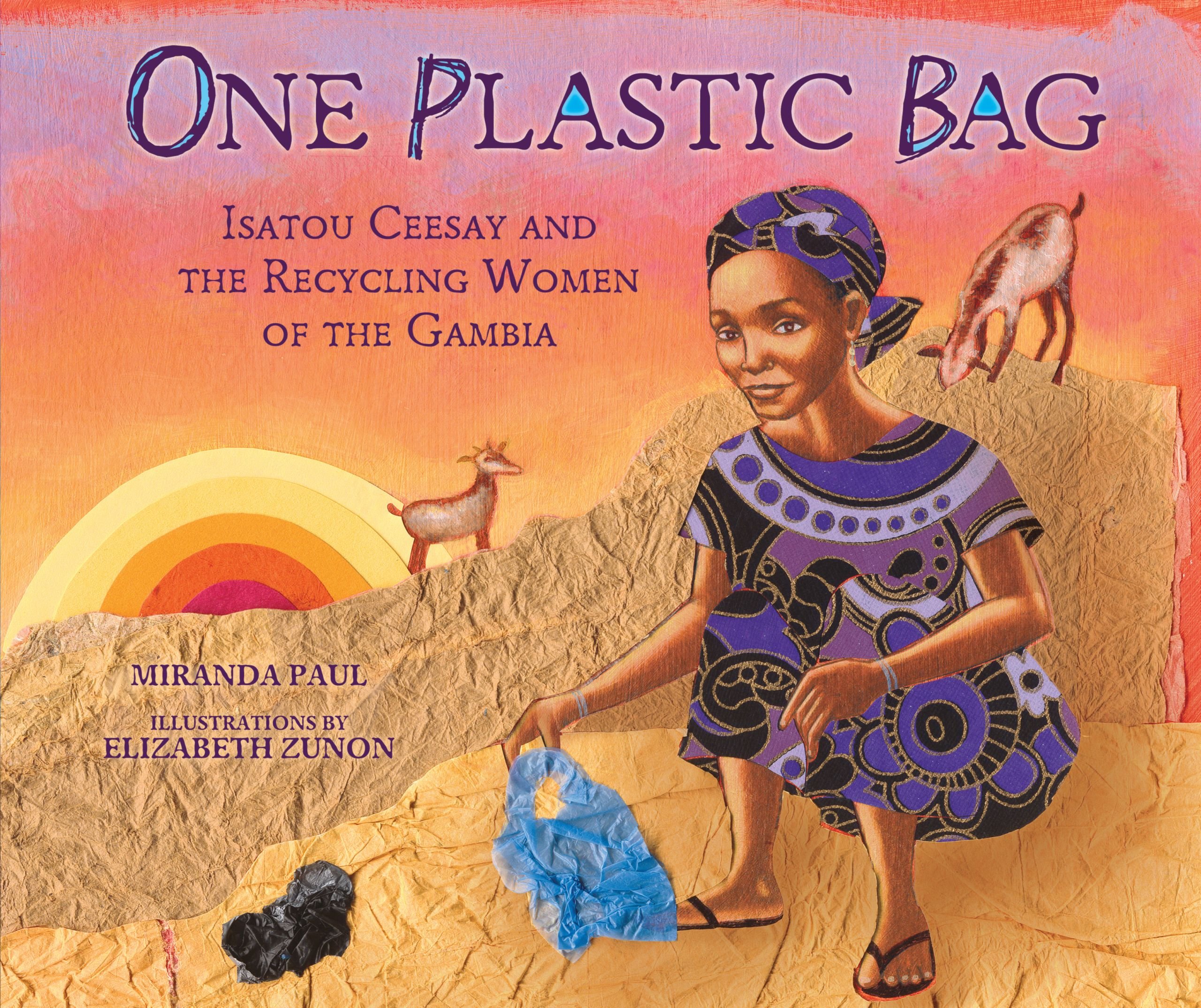
I met my goal of 52 books in 52 weeks.  Most of them were books meant for children but great wisdom and adult lessons are hidden in a lot of children's books.  Two of my favorites were Gifts from the Enemy by Trudy Ludwig and One Plastic Bag: Isatou Ceesay and the Recycling Women of  the Gambia by Miranda Paul .  Both based on truth, the first is a story of basic human goodness and the second one of empowerment and how one community became protagonists of their own transformation.  

Happy reading in 2019!